What Is Glycolic Acid? Benefits, Uses, Side Effects & How to Use It
Waleed
13 Oct 2026
Glycolic acid is the #1 AHA exfoliant for smoother, glowing skin. Learn what it is, its proven benefits, how to use it safely, recommended concentrations, side effects to avoid, and expert tips for Pakistani skin.
 Official
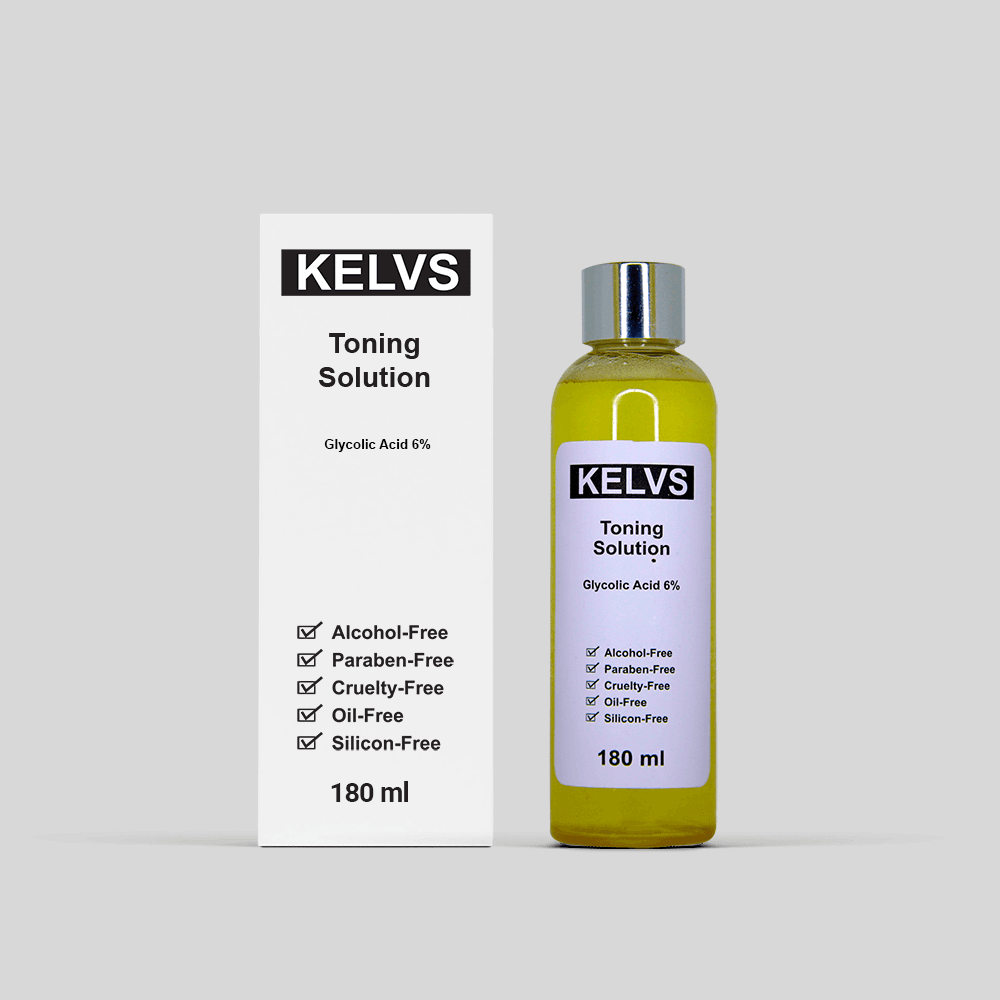
KELVS Toning Solution | Brighten Skin & Smooth Texture
Scientifically formulated for maximum efficacy with zero harsh irritants. Restores skin balance, clears pores, and accelerates visible recovery.
What Is Glycolic Acid and How Does It Work?
Glycolic acid is a water-soluble acid from the alpha hydroxy acid (AHA) family, and it is the smallest AHA. It was originally found in sugarcane, but most skincare products today use a purified, lab-made version because it is more stable and consistent.
How glycolic acid exfoliates your skin
Your skin constantly sheds dead cells from its surface. Those cells are held together by tiny protein bonds called desmosomes. You can think of them as glue between bricks.
Glycolic acid weakens this glue. The dead cells let go more easily, and fresh skin underneath becomes visible sooner. This process is called desquamation, and it is what gives skin a smoother, brighter look after regular use.
Why its small size matters
A glycolic acid molecule is only about 76 daltons, smaller than any other AHA. That small size helps it get through the outer skin layer (the stratum corneum) more easily than larger acids. Most of its action happens in these upper layers, which is why it is described as a surface exfoliant.
The trade-off is that easier penetration also means a higher chance of stinging, redness, and dryness, especially at high strengths or with frequent use.
Official
KELVS Toning Solution | Brighten Skin & Smooth Texture
Scientifically formulated for maximum efficacy with zero harsh irritants. Restores skin balance, clears pores, and accelerates visible recovery.
What Are the Benefits of Glycolic Acid?
When used correctly, the glycolic acid benefits for the skin are extensive and well-documented by dermatological research:
- Exfoliation and Smoother Texture: It efficiently sweeps away rough, flaky patches, leaving the skin feeling remarkably soft and smooth.
- Unclogging Pores: While it primarily works on the surface, regular exfoliation helps prevent dead skin from trapping oil, supporting clearer skin.
- Fine Lines and Dullness: By stimulating cellular turnover and boosting collagen production over time, it may reduce the appearance of fine lines. (Note: The strongest evidence for anti-aging comes from higher-strength, in-office professional peels).
- Brighter, More Even-Looking Tone: It helps fade post-acne marks and sun spots by shedding pigmented surface cells. (For stubborn dark marks, pair it with our KELVS Whitening Serum (Alpha Arbutin + HA) or read our complete guide to Alpha Arbutin).
- Better Product Absorption: By removing the barrier of dead skin, your subsequent serums and moisturizers can penetrate more effectively.
Glycolic Acid vs. Salicylic Acid (AHA vs. BHA)
If your primary concern is deeply clogged pores, blackheads, or active, oily acne, salicylic acid (BHA) is better suited because it is oil-soluble and penetrates deep into the pore lining. Try our KELVS BHA Salicylic Acid 2% Serum, or read our complete beginner's guide to Salicylic Acid.
How to Use Glycolic Acid Safely
Knowing how to use glycolic acid properly is the difference between a radiant glow and a damaged skin barrier. Follow this step-by-step approach:
The Step-by-Step Routine
- Cleanse: Wash your face with a gentle, sulfate-free cleanser like the KELVS Gentle Cleanser and pat dry.
- Apply at Night: Glycolic acid increases sun sensitivity, so it should always be part of your evening routine. Apply a leave-on toner like the KELVS Glycolic Acid 6% Toning Solution to completely dry skin.
- Moisturize & Hydrate: Wait 1–2 minutes for the acid to absorb, then apply a soothing treatment like our KELVS Hydrating Serum (Vitamin B5 + Hyaluronic Acid) followed by a barrier-repairing moisturizer.
- SPF the Next Morning: This is non-negotiable. Apply a broad-spectrum sunscreen (SPF 30+ or SPF 50+) every morning.
Always Patch Test First
Before applying it to your entire face, dab a small amount behind your ear or on your jawline. Wait 24 hours to ensure you do not experience severe redness, burning, or an allergic reaction.
The Week 1–4 Ramp-Up Schedule
| Timeline | Frequency | Goal |
|---|---|---|
| Week 1 | 1 to 2 times per week | Test skin tolerance and check for irritation. |
| Week 2–3 | 2 to 3 times per week | Build gradual tolerance if no stinging or peeling occurs. |
| Week 4+ | Every other night (or as tolerated) | Maintain results. Daily use is rarely necessary and often too harsh. |
How long do results take? You may notice a subtle "glow" after just one use. However, significant improvements in texture, tone, and fine lines typically take 4 to 8 weeks of consistent use, aligning with the skin’s natural 28-day turnover cycle.
What Concentration Should You Use? (5% vs. 10%)
The glycolic acid percentage you choose should match your experience level and skin type. However, percentage is only half the story; the pH level of the product matters just as much. For glycolic acid to work effectively without causing chemical burns, the formulation must have a pH between 3.0 and 4.0.
| Concentration | Product Type | Best For |
|---|---|---|
| 5% – 10% | Daily toners (like KELVS 6% Toning Solution), lightweight serums, cleansers | Beginners, normal to oily skin, maintenance. |
| 10% – 15% | Stronger at-home serums, weekly peeling solutions | Experienced users, resilient skin, targeting stubborn texture. |
| 20% – 70% | Professional in-office chemical peels | Severe hyperpigmentation, deep wrinkles (Dermatologist only). |
What Not to Mix With Glycolic Acid
Layering too many active ingredients is the fastest way to destroy your skin barrier. Avoid using glycolic acid in the same routine as:
- Retinoids (Retinol, Tretinoin): Both accelerate cell turnover. Using them together causes severe irritation. Use glycolic acid at night and retinol on alternate nights.
- Vitamin C (L-Ascorbic Acid): Both are highly acidic and can cause stinging and redness when layered. Use Vitamin C in the morning and Glycolic Acid at night.
- Benzoyl Peroxide: Can be overly drying and destabilize the formulation.
- Other Exfoliants (AHAs/BHAs): Do not combine with lactic acid, mandelic acid, or salicylic acid on the same evening.
What pairs well instead? Glycolic acid loves hydration. Pair it with niacinamide (to soothe and regulate oil — see our KELVS Anti-Aging Niacinamide Serum), hyaluronic acid (for deep hydration), and ceramides (to protect the skin barrier).
Glycolic Acid Side Effects and Precautions
Understanding potential glycolic acid side effects helps you use it safely and know when to stop.
Normal vs. Irritation vs. Purging
- Normal: A very mild, brief tingling sensation upon application is normal and should fade within a minute.
- Purging: A temporary increase in small breakouts in areas where you normally get acne, lasting 4–6 weeks as clogs are pushed to the surface.
- Irritation (Overdoing it): Persistent burning, tightness, excessive peeling, redness, or a "stinging" sensation when applying basic moisturizer. This means your skin barrier is compromised. Stop use immediately and focus on hydration.
Who Should Avoid It?
Individuals with very sensitive skin, rosacea, eczema, active skin infections, or broken/sunburned skin should avoid glycolic acid, as its small molecular size can easily trigger flare-ups. (For gentle barrier-first alternatives, see our minimalist skincare routine for sensitive skin).
Pregnancy Precautions
While low-concentration, wash-off glycolic acid products are generally considered safe during pregnancy, high-concentration leave-on serums and professional chemical peels should be avoided. Always consult your doctor before introducing new active ingredients while pregnant.
Sun Protection Is Non-Negotiable
Because glycolic acid removes the top layer of dead skin, it reveals fresh skin that is highly vulnerable to UV damage. Failing to use sunscreen will not only cause sunburn but can also worsen hyperpigmentation, completely undoing the benefits of the acid.
A Note for Our Readers in Pakistan: The UV index in Pakistan is exceptionally high, especially during the summer months, and is compounded by intense heat and urban pollution. This makes daily sun protection absolutely critical. If you are using glycolic acid, applying a generous amount of broad-spectrum SPF 30+ (or ideally SPF 50+) every single morning is not just a recommendation—it is a mandatory step to protect your skin from sun damage and dark spots.
How to Choose a Glycolic Acid Product: Toners vs. Serums
Not all glycolic acid products are created equal. Here is what to look for when choosing your format:
- Toners: Leave-on toners like the KELVS Glycolic Acid 6% Toning Solution are the most popular format in Pakistan. They provide consistent, non-greasy micro-exfoliation without overloading the skin in hot, humid weather.
- Cleansers: Great for absolute beginners because the active is washed off, resulting in minimal risk of irritation.
- Serums: Offer a concentrated, thicker consistency suitable for dry skin types targeting localized stubborn texture.
- pH Level: Look for brands that transparently state a pH between 3.0 and 4.0.
- What to Avoid: Avoid products with heavy denatured alcohol, which will strip the moisture barrier.
Frequently Asked Questions (FAQ)
Can I use glycolic acid every day?
It is not recommended for most people. Daily use can easily compromise the skin barrier. Start with 1–2 times a week and gradually increase to every other night only if your skin tolerates it well.
Should I use glycolic acid in the morning or at night?
Always use it at night. Glycolic acid makes your skin more photosensitive, and nighttime application allows it to work while your skin is in its natural repair cycle.
Can I use glycolic acid with niacinamide?
Yes! This is an excellent combination. Niacinamide is soothing and helps strengthen the skin barrier, which perfectly counterbalances the exfoliating nature of glycolic acid. You can layer them or use them at different times of the day.
What is the price of glycolic acid toner in Pakistan?
While imported glycolic acid toners in Pakistan often cost Rs. 3,500 to Rs. 6,000, locally accessible clinical options like KELVS offer high-purity 6% Glycolic Acid Toning Solutions with fast Cash on Delivery nationwide at a fair price.
How long before I see results from glycolic acid?
You may notice an immediate "glow" after the first use. However, visible improvements in texture, fine lines, and dark spots typically take 4 to 8 weeks of consistent use.
Is glycolic acid safe for sensitive skin?
Generally, no. Because of its small molecular size, it penetrates quickly and can cause stinging and redness. Those with sensitive skin should opt for larger-molecule AHAs like lactic acid or mandelic acid instead.
Does glycolic acid cause purging?
Yes, it can. Because it speeds up cell turnover, it may bring underlying micro-clogs to the surface. This purging phase is temporary and should resolve within 4 to 6 weeks.
Conclusion & Scientific Sources
Glycolic acid remains one of the most researched and effective ingredients in modern dermatology. By gently dissolving the bonds between dead skin cells, it unlocks a smoother, brighter, and more even complexion. However, its potency demands respect: start with a low concentration, ramp up slowly, pair it with barrier-supporting ingredients, and never skip your morning sunscreen.
Always consult a board-certified dermatologist for personalized medical advice regarding severe acne or skin conditions.
Scientific References:
1. Tang, S. C., & Yang, J. H. (2018). Dual Effects of Alpha-Hydroxy Acids on the Skin. Molecules, 23(4), 863.
2. Bernstein, E. F., et al. (1997). Glycolic acid treatment increases type I collagen mRNA and hyaluronic acid content of human skin. Dermatologic Surgery, 23(6), 415-421.
3. American Academy of Dermatology (AAD). (2023). Chemical Peels: Who Can Benefit and What to Expect.
4. Fabbrocini, G., et al. (2010). Chemical peeling in the treatment of skin aging: A review. Dermatology Research and Practice.