
Not sure how or when to use lactic acid? This practical guide covers the correct routine order, morning vs evening use, starting frequency sensitive skin considerations, and what to avoid combining it with early on.
Introduction
Buy Our Lactic Acid 5% Serum With Hyaluronic Acid
Lactic acid is one of the more forgiving exfoliating acids to work with, but "forgiving" is not the same as "impossible to get wrong." The most common reason people react badly to lactic acid, or conclude it "doesn't work" for their skin, is not the ingredient itself — it is how it was introduced. Applied at the wrong point in a routine, too often, or alongside the wrong combination of other actives, even a gentle AHA can cause irritation that a slower, more deliberate approach would have avoided entirely.
This guide is a straightforward, step-by-step answer to the practical question of how to actually use lactic acid — where it goes in your routine, whether morning or evening makes more sense, how often to use it when starting out, when it's reasonable to increase frequency, and what to leave out of your routine while your skin is still adjusting.
The Basic Routine Order: Cleanser, Lactic Acid, Moisturiser
The order matters, and the logic behind it is simple: lactic acid needs to reach clean skin to work effectively, and it needs to be followed by something that supports the skin afterward.
- Cleanse first. Use a gentle, pH-balanced cleanser and pat the skin dry rather than leaving it soaking wet. Lactic acid applied over leftover makeup, sunscreen, or the day's oil buildup will not penetrate as evenly, and a harsh cleanser beforehand will make the skin more reactive to the acid that follows.
- Apply lactic acid to clean, dry skin. A few drops or the amount specified by the product are enough — more product does not mean more effective exfoliation, since the acid is already doing its work at the surface. Let it absorb for a minute or two before moving to the next step.
- Follow with a moisturiser. This step is not optional. Lactic acid works by loosening the surface layer of skin cells, and a moisturiser afterward helps support the skin barrier while that process is happening, reducing the likelihood of tightness or flaking. A moisturiser with ceramides or a similar barrier-supporting formulation is a sensible choice to pair with any exfoliating acid.
Morning vs Evening: Which Makes More Sense?
Evening is generally the more practical time to use lactic acid, for a few straightforward reasons rather than any strict rule. Applying it at night means it is not sitting underneath makeup, sunscreen, or a full day of environmental exposure, and it gives the skin the overnight hours to complete its initial response before facing direct sun the next day.
This does not mean morning use is unsafe — some people do use lactic acid in the morning without issue — but it does mean that if you use it in the morning, sunscreen immediately afterward is even more essential than usual, since you are adding sun exposure into the same window as the exfoliation itself. For most people, especially when starting out, keeping lactic acid to the evening routine is simpler and reduces one more variable to manage.
Starting Frequency: Begin Slower Than You Think You Need To
The single most common mistake with lactic acid is starting too aggressively. Even though it is one of the gentler AHAs, your skin has no track record with it yet, and the sensible approach is to find that out gradually rather than assume.
Start at two to three times a week, not daily. Apply it in the evening, follow with moisturiser, and pay attention to how your skin looks and feels the next morning — some mild, brief tingling on application is normal, but redness, tightness, or visible flaking the next day is a sign to slow down, not push through. Give this starting frequency at least two to three weeks before making any changes, since the skin needs time to show you a consistent pattern rather than a single day's reaction.
Sensitive Skin: A More Cautious Starting Point
If your skin is sensitive, reactive, or has a history of irritation from other products, the same routine order applies, but the starting frequency should be even more conservative — once a week to begin with, rather than two to three times. A patch test on a small area, such as the inner forearm, for several days before applying to the full face is a reasonable extra precaution.
If your skin barrier is currently compromised — from over-exfoliation, harsh whitening products, or a recent reactive period — it is worth stabilising the skin first with a simple routine of gentle cleanser, moisturiser, and daily sunscreen for several weeks before introducing lactic acid at all. Introducing an exfoliating acid onto a barrier that is not functioning normally tends to produce a worse reaction than the same acid would cause on stable skin, and it can be difficult to tell whether the acid or the underlying barrier issue is actually responsible for any irritation that follows.
When to Increase Frequency
Once you've used lactic acid consistently for two to three weeks at your starting frequency with no signs of irritation — no persistent redness, no unusual tightness, no flaking — it is reasonable to consider increasing use gradually. Move from two to three times a week to every other day, and again observe for another two to three weeks before considering daily use, if that is even necessary for your skin's goals.
Not everyone needs to work up to daily use. Many people see good, consistent results at two to four times a week indefinitely, and there is no requirement to keep increasing frequency simply because your skin currently tolerates it. Let your skin's actual response and your own goals guide any increase, rather than following a fixed idea that more frequent use is automatically better.
Sunscreen: Not Optional, Regardless of When You Apply Lactic Acid
Exfoliating acids increase the skin's sensitivity to the sun, and this applies whether you use lactic acid in the morning or the evening — the increased sensitivity does not switch off overnight. Daily sunscreen, applied every morning and reapplied during extended sun exposure, needs to be a fixed part of your routine for as long as lactic acid is part of it. Skipping sunscreen while using an exfoliating acid increases the risk of sunburn and can also work against any pigmentation or tone-related goals you're using the acid for in the first place, since unprotected sun exposure stimulates the same pigment-producing activity the acid may be helping to calm.
What Not to Combine Lactic Acid With Initially
While you are still in the introduction phase — the first several weeks of establishing how your skin tolerates lactic acid — keep the rest of your active ingredients to a minimum. Specifically avoid combining it in the same routine with other exfoliating acids such as salicylic acid or glycolic acid, since layering multiple acids increases irritation risk considerably before you even know how your skin handles lactic acid on its own. Retinol and lactic acid on the same night is also a combination to avoid early on, as both increase cell turnover and sun sensitivity, and using them together before establishing individual tolerance makes it hard to know which ingredient is responsible if a reaction occurs.
Vitamin C is a similar story — not dangerous to combine, but better kept separate while you are still learning how your skin responds, ideally in a different routine session (for example, vitamin C in the morning, lactic acid in the evening) rather than layered together. Once you have a clear sense of how your skin tolerates lactic acid on its own, you can consider reintroducing other actives one at a time, watching for any reaction before adding the next.
A Simple Summary
- Cleanse, apply lactic acid to dry skin, then moisturise
- Evening use is the simpler default, especially when starting out
- Begin at two to three times a week (once a week for sensitive skin)
- Hold that frequency for two to three weeks before increasing
- Sunscreen every morning, without exception, for as long as you use it
- Keep other acids and retinol out of the routine until you know how your skin responds to lactic acid alone
Conclusion
There is nothing complicated about using lactic acid correctly — the routine itself is simple. What actually determines whether it works well for you is patience in the first few weeks: starting slow, watching how your skin responds rather than assuming, and not rushing to add more products or more frequency before your skin has told you it's ready. Done this way, lactic acid is one of the more reliable and low-drama additions you can make to a skincare routine.
 Official
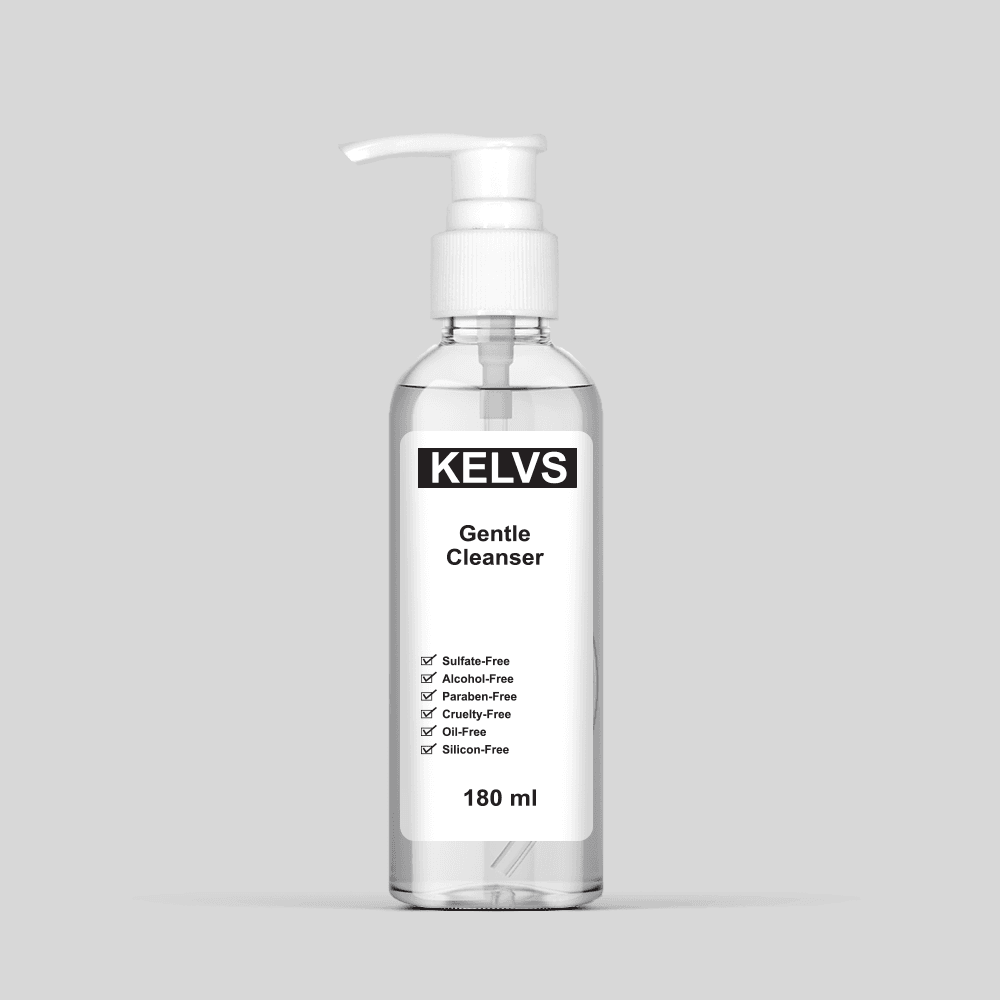
KELVS Gentle Cleanser | Sulfate-Free Daily Cleanse
Scientifically formulated for maximum efficacy with zero harsh irritants. Restores skin balance, clears pores, and accelerates visible recovery.