What Is Lactic Acid? The Complete Guide to Lactic Acid for Skin
Waleed
18 Aug 2026
What is lactic acid and what does it actually do for skin? This complete dermatology-backed guide explains how lactic acid works — including for Pakistani skin.
Introduction
Lactic acid appears in some form in almost every category of evidence-based skincare: exfoliating serums, moisturisers, masks, body lotions, and even some cleansers. It is one of the most studied cosmetic active ingredients in dermatological literature, used across a wider range of concentrations and formulations than almost any other acid in skincare. And yet it remains one of the more misunderstood ingredients in everyday use — conflated with harsher acids, used at the wrong pH or concentration, introduced too aggressively, or abandoned because of a preventable reaction that could have been avoided with a better understanding of how it works.
This guide is the complete reference for lactic acid. It covers the chemistry — what lactic acid actually is and why it behaves the way it does — the biology — how it exfoliates and what it does beyond exfoliation — the formulation science — why pH and concentration are inseparable from efficacy and safety — and the practical application — who should use it, at what strength, how often, how to introduce it, what to watch for, and what must always accompany it. If you have one article to read before incorporating lactic acid into a skincare routine, this is that article.
What Is Lactic Acid?
Lactic acid is a naturally occurring organic acid belonging to the alpha hydroxy acid (AHA) family. Its chemical name is 2-hydroxypropanoic acid, and it is one of the most abundant naturally occurring acids in biological systems. It is produced in the human body during anaerobic respiration — the process cells use to generate energy when oxygen supply is limited, which is why muscles produce lactic acid during intense exercise. It is also produced by bacterial fermentation of lactose (milk sugar), which is how it was first isolated and why it was historically associated with dairy — though modern cosmetic lactic acid is predominantly synthetically produced under controlled conditions rather than derived from milk.
In the skin specifically, lactic acid is a component of the natural moisturising factor (NMF) — the complex mixture of water-soluble compounds in the stratum corneum that maintain hydration and help regulate skin pH. This is a critically important fact for understanding why lactic acid behaves differently from many other exfoliating acids: it is not a foreign chemical being applied to the skin, but a molecule the skin already recognises and incorporates as part of its own moisture and pH regulation system.
The FDA specifically identifies lactic acid as one of the principal cosmetic alpha hydroxy acids and discusses its exfoliating uses and sun-sensitivity considerations in its regulatory guidance on AHA cosmetics — positioning it alongside glycolic acid as one of the two most clinically relevant AHAs for cosmetic application.
Why Lactic Acid Is Classified as an Alpha Hydroxy Acid
Understanding the AHA classification requires a brief piece of chemistry that is directly relevant to how these acids behave on skin.
Alpha hydroxy acids are organic acids that share a specific structural feature: a hydroxyl group (OH) attached to the carbon atom immediately adjacent to — alpha to — the acid's carboxylic acid group (COOH). This structural arrangement is what gives all AHAs their characteristic ability to interact with and dissolve the bonds between skin cells at the skin surface. Different AHAs have the same fundamental mechanism but differ in molecular weight, solubility, and the depth and speed at which they penetrate the skin — which has significant practical implications for how they behave in skincare formulations.
Lactic acid is a two-carbon chain AHA with a relatively larger molecular size than glycolic acid (the smallest AHA). This larger molecular size means lactic acid penetrates the skin more slowly and less deeply than glycolic acid — a property that makes it gentler, more controllable, and better tolerated on sensitive skin, while still producing meaningful exfoliation and the other biological effects that define the AHA class. This is not a weakness of lactic acid relative to glycolic acid; it is a different, and for many skin types preferable, risk-benefit profile.
How Lactic Acid Exfoliates the Skin
The visible effects of lactic acid — smoother texture, more even tone, reduced rough patches — arise from its ability to loosen and dissolve the cohesive bonds holding dead skin cells to the surface of the stratum corneum. Understanding this mechanism in detail explains both how to use lactic acid effectively and why its pH and concentration cannot be considered separately from its effects.
The Desmosome Mechanism
The outermost cells of the stratum corneum — called corneocytes — are dead, keratin-filled cells that form the skin's protective surface layer. They are held together and to the cells beneath them by protein structures called desmosomes, which act as the adhesive "glue" holding the surface layer intact. In healthy skin, enzymes called serine proteases gradually break down these desmosomes as cells age, allowing them to shed from the surface invisibly in a continuous process called desquamation. When desquamation is disrupted — by accumulated pigmentation, UV damage, dry skin conditions, or simply the natural slowing of cell turnover with age — dead cells accumulate on the surface, producing rough texture, dullness, and uneven tone.
Lactic acid accelerates desquamation by two complementary mechanisms. First, it directly reduces cohesion between corneocytes by dissolving the intercellular lipid-protein matrix that holds them together — functioning as a chemical "loosening agent" for the bonds between surface cells. Second, and less well-understood, lactic acid also activates some of the same enzymatic pathways involved in natural desquamation, accelerating the skin's own cell-shedding process rather than purely doing the work exogenously. The result of both mechanisms is that dead surface cells shed faster and more evenly than they would without intervention — revealing the newer, more evenly pigmented cells beneath more quickly than natural cell turnover would produce.
Why pH Is Inseparable from Exfoliation Efficacy
Lactic acid's exfoliating activity is directly dependent on the proportion of the acid that exists in its free acid form (as opposed to its ionised, or salt, form). In solution, lactic acid exists in an equilibrium between the undissociated acid form (which penetrates skin and produces exfoliation) and the lactate ion form (which does not penetrate effectively). The proportion of each depends on the pH of the formulation — described by a chemical constant called the pKa, which for lactic acid is 3.86.
At pH 3.86, approximately half the lactic acid in solution exists in the free acid form and half in the lactate ion form. Below pH 3.86, a greater proportion exists as free acid — more exfoliating activity but also more irritation risk. Above pH 3.86, an increasing proportion converts to the ionised lactate form, progressively reducing exfoliating efficacy. At pH 5.5 and above — close to the skin's natural pH — very little free acid remains and exfoliating activity is minimal to negligible.
This means that a lactic acid product claiming a certain percentage concentration is only meaningful if the pH is also known. A 10% lactic acid formulation at pH 5.0 will deliver far less active exfoliation than a 5% lactic acid formulation at pH 3.5. When evaluating lactic acid products, both the percentage and the pH must be considered together — the percentage tells you how much lactic acid is present; the pH tells you how much of it is actually available to exfoliate.
What Lactic Acid Does Beyond Exfoliation
Exfoliation is lactic acid's best-known and most widely marketed function — but the picture of what lactic acid does to skin is considerably richer than simple surface-cell removal. Several additional mechanisms are well-supported by clinical evidence and are particularly relevant for understanding why lactic acid behaves differently from other AHAs on dry, pigmented, or mature skin.
Improving Skin Texture
The most immediately visible outcome of lactic acid use is improved surface texture — the reduction of roughness, fine lines, keratosis pilaris (the "chicken skin" bumps common on arms and thighs), and the uneven, congested surface associated with both aging and acne-prone skin. This improvement is primarily the result of the exfoliation mechanism above: clearing accumulated dead cells from the surface reveals the smoother, more uniform cells beneath. With consistent use, this also stimulates the deeper dermis to produce new collagen — a well-documented AHA effect that gradually improves skin thickness, firmness, and the appearance of fine lines over months of sustained use.
Improving Hyperpigmentation and Uneven Tone
Lactic acid addresses pigmentation through two distinct mechanisms. The first is purely physical: by accelerating the removal of the surface cells where accumulated melanin is concentrated, it reveals newer cells with less pigment deposition more quickly than natural cell turnover would achieve. The second mechanism is more specific to lactic acid: studies have shown that lactic acid has a modest direct inhibitory effect on tyrosinase — the enzyme responsible for melanin synthesis — producing a degree of melanin production reduction that goes beyond simple exfoliation. This dual mechanism makes lactic acid particularly useful for post-acne marks, sun-related pigmentation, and the diffuse unevenness of early melasma — though for significant melasma, lactic acid is most effective as part of a broader dermatologist-guided plan.
Enhancing Skin Hydration — The NMF Connection
This is the property that most distinguishes lactic acid from glycolic acid and most other AHAs, and it explains why lactic acid is uniquely well-suited to dry skin types. Because lactic acid is a natural component of the skin's NMF, its topical application does more than exfoliate: it directly contributes to the skin's humectant (water-retaining) capacity. Lactic acid is hygroscopic — it attracts and binds water molecules — and its incorporation into the stratum corneum following topical application measurably increases the skin's water content. This dual exfoliation-and-hydration profile is something no other mainstream AHA provides at the same level, and it is why lactic acid is the preferred AHA for dry, dehydrated, and sensitive skin types that benefit from exfoliation but cannot tolerate the purely dehydrating effect of glycolic acid at equivalent concentrations.
Stimulating Collagen and Ceramide Production
With consistent long-term use at appropriate concentrations, lactic acid — like other AHAs — stimulates fibroblast activity in the dermis, increasing collagen and elastin production. It also stimulates ceramide synthesis in the epidermis, improving the barrier's lipid composition and moisture-retention capacity over time. These effects require sustained use over months rather than weeks, and are more significant at higher concentrations and more frequent use, but are a genuine contribution to skin health beyond the visible surface effects of exfoliation alone.
Lactic Acid vs Lactate and Ammonium Lactate
These three terms appear on ingredient labels and in product descriptions with enough frequency — and enough similarity — to cause genuine confusion about what is actually in a product and what it will do to the skin. The distinction is chemically specific and practically significant.
Lactic acid is the undissociated acid form — the form that is active in exfoliation. Its efficacy depends on pH, as described above, and its primary cosmetic uses are exfoliation, texture improvement, and pigmentation management.
Sodium lactate is the sodium salt of lactic acid — the form produced when lactic acid is neutralised with sodium hydroxide. At the near-neutral pH of most moisturisers (pH 5.5 to 7), essentially all lactic acid exists in the lactate salt form and has minimal exfoliating activity. Sodium lactate is used in moisturisers and hydrating products primarily as a humectant and pH buffer — it draws water to the skin and helps maintain an appropriate moisturiser pH — not as an exfoliant.
Ammonium lactate is the ammonium salt of lactic acid, used in higher concentrations (typically 12%) in prescription and OTC therapeutic formulations for conditions including ichthyosis, severely dry and scaly skin, and hyperkeratosis. At the pH of these formulations (typically 4.4 to 5.0), some free lactic acid is present, and the combination of modest exfoliation and strong humectancy produces significant improvements in very dry, thickened skin. Ammonium lactate at 12% is a more potent therapeutic formulation than typical cosmetic lactic acid serums and carries a higher risk of irritation; it is typically used on body skin rather than the face.
In practical terms: a moisturiser listing sodium lactate is providing hydration and pH support, not meaningful exfoliation. A serum listing lactic acid with a specified low pH is providing both exfoliation and hydration. An ammonium lactate lotion is a therapeutic product for dry or thickened skin, distinct from cosmetic lactic acid formulations.
What Lactic Acid Does for Texture, Pigmentation, and Dryness — A Practical Summary
For skin texture concerns — rough surface, keratosis pilaris, large pores, congested or bumpy skin — lactic acid is among the most effective and best-tolerated exfoliating options available. Consistent use at appropriate concentrations (see below) produces visible texture refinement over four to eight weeks.
For pigmentation — including post-acne marks, sun-related dark spots, and diffuse uneven tone — lactic acid's dual exfoliation-plus-tyrosinase inhibition mechanism makes it more comprehensively useful for pigmentation management than AHAs that exfoliate without any direct melanin-inhibiting contribution. It works more gradually than a dedicated depigmenting active like alpha arbutin, but can be used alongside such actives (at different times in the routine) for broader pigmentation coverage.
For dryness — whether genetic dry skin, dehydrated skin from barrier compromise, or the dry-to-the-touch presentation of accumulated dead cells — lactic acid's NMF-related humectancy makes it the preferred AHA for this skin type. It exfoliates the dead, dry surface while simultaneously improving the skin's capacity to retain moisture in the cells beneath. This combination produces improvements in dryness that purely physical or humectant approaches cannot replicate.
Who Should Use Lactic Acid?
- Dry and dehydrated skin — the primary indication for lactic acid over other AHAs; the hydration benefit alongside exfoliation is specifically valuable for this skin type
- Sensitive skin seeking exfoliation — lactic acid's larger molecular size and gentler penetration profile make it the most appropriate AHA for sensitive skin; for those who have not tolerated glycolic acid, lactic acid at a lower concentration and appropriate pH is typically significantly better tolerated
- Uneven skin tone and post-acne pigmentation — lactic acid's dual exfoliation and modest tyrosinase inhibition make it useful for both surface pigmentation removal and modest reduction of new melanin production
- Rough texture and keratosis pilaris — chemical exfoliation is far more effective than physical scrubbing for these concerns, and lactic acid's gentler profile makes consistent use more achievable without over-exfoliation
- Mature and ageing skin — lactic acid's combination of exfoliation, collagen stimulation, and humectancy addresses several of the simultaneous concerns of ageing skin (dullness, rough texture, pigmentation, and dryness) in a single ingredient
- AHA beginners — the lower irritation profile and humectant benefit make lactic acid the most sensible starting point for someone introducing their first chemical exfoliant
Who Should Be Cautious with Lactic Acid?
- Very sensitive, reactive, or barrier-compromised skin — including skin recovering from steroid cream damage, formula cream use, or significant over-exfoliation; the barrier must be adequately stabilised before introducing any AHA; lactic acid is the gentlest available option, but a damaged barrier will still respond poorly to acid exfoliation
- Active acne with open or inflamed lesions — applying an acid to actively inflamed or broken skin increases irritation risk and can worsen inflammation; wait until active lesions have resolved before introducing lactic acid
- Those using multiple other actives simultaneously — lactic acid combined with retinoids, vitamin C, benzoyl peroxide, and other AHAs/BHAs in the same routine creates a combined irritation load that frequently produces adverse reactions; introduce lactic acid into a simplified routine
- Pregnancy — specific guidance needed — low-concentration lactic acid (under 10%) is generally considered compatible with pregnancy, but higher concentrations and more frequent use warrant consultation with a healthcare provider
Lactic Acid Concentrations — What Each Range Does
Concentration alone does not determine lactic acid's effects — pH is equally important, as discussed above — but understanding the general ranges helps set appropriate expectations for different products and use cases.
| Concentration Range | Typical pH Range | Primary Uses and Effects | Appropriate For |
|---|---|---|---|
| 2–5% | 3.5–5.0 | Mild exfoliation; primary benefit is humectancy and surface-cell turnover support; texture improvement over extended consistent use | Very sensitive skin, AHA beginners, daily-use moisturisers, first introduction to chemical exfoliation |
| 5–10% | 3.0–4.0 | Meaningful exfoliation; visible texture improvement; modest pigmentation improvement; improved hydration; the primary cosmetic serum range | Most skin types tolerating chemical exfoliation; 1–3 times per week use; the most versatile and widely appropriate concentration range |
| 10–15% | 2.5–3.5 | Stronger exfoliation; more significant pigmentation improvement; collagen stimulation effects more pronounced; higher irritation and photosensitisation risk | Experienced AHA users with established tolerance; targeted treatment for significant textural or pigmentation concerns; not for daily use |
| Above 20% (professional use) | Below 3.0 | Clinical-grade peeling; significant structural changes; performed by trained dermatologists or aestheticians under controlled conditions | Professional treatments only; not for home use; requires post-treatment protocol and sun avoidance |
For most independent home skincare use in Pakistan, the 5 to 10% range at pH 3.0 to 4.0 provides a meaningful balance of efficacy and safety. Higher concentrations should be approached with confirmed tolerance at lower concentrations, not as a starting point.
Lactic Acid vs Glycolic Acid — When Each Is Appropriate
These two AHAs dominate the exfoliating acid market and are frequently compared. Their differences are clinically meaningful and directly relevant to which is more appropriate for a given skin type.
| Characteristic | Lactic Acid | Glycolic Acid |
|---|---|---|
| Molecular weight | Larger — slower, shallower penetration | Smaller — faster, deeper penetration |
| Exfoliation strength at equivalent % | More moderate — gentler surface exfoliation | Stronger — more aggressive surface and deeper exfoliation |
| Hydration benefit | Significant — NMF component, humectant properties | Minimal — no comparable humectancy |
| Suitable for dry skin | Yes — preferred AHA for dry skin | Less appropriate — can worsen dryness |
| Suitable for sensitive skin | Preferred — lower irritation profile | Less appropriate — higher irritation risk at equivalent concentrations |
| Pigmentation support | Yes — exfoliation plus mild tyrosinase inhibition | Yes — primarily through exfoliation |
| Best for | Dry, sensitive, mature skin; AHA beginners; hydration + exfoliation simultaneously | Oily, resilient, acne-prone skin tolerating stronger exfoliation; experienced AHA users |
pH and Formulation: What to Look for on Product Labels
Most lactic acid products do not display their pH on the label — but several markers can help identify whether a formulation is likely to be genuinely efficacious or primarily cosmetic without meaningful exfoliating activity.
Products that list lactic acid high in the ingredient list (second to fourth position after water/aqua), that use a toning or serum format (indicating a thinner, more penetrative vehicle than a cream or lotion), and that specify their pH as between 3.0 and 4.0 are most likely to deliver meaningful exfoliation. Products that list lactic acid or sodium lactate mid-to-late in an ingredient list of a heavy moisturiser, without pH specification, are likely using it primarily for its humectant rather than exfoliating properties — which is a legitimate formulation choice, but not what users seeking chemical exfoliation are typically purchasing.
If pH is not displayed on a product, a simple pH meter or pH strips purchased inexpensively can test the product directly. Any reading above pH 5.0 indicates minimal exfoliating activity regardless of the stated lactic acid percentage.
Side Effects of Lactic Acid
Lactic acid's side effects are predictable and manageable when the concentration and pH are appropriate for the individual's skin tolerance and when it is introduced gradually. Understanding what to expect — and what constitutes a signal to reduce frequency or concentration — is essential for safe use.
Photosensitisation — The Most Important Risk
This is the side effect that the FDA specifically highlights in its guidance on AHA cosmetics. Lactic acid — like all AHAs — increases the skin's sensitivity to ultraviolet radiation. The FDA's guidance notes that AHA products can increase the risk of sunburn and that daily sun protection is essential during and after AHA use. This photosensitisation effect is greatest in the period immediately after application (particularly relevant for morning routines) and diminishes with time after the application, but the cumulative thinning of the stratum corneum that results from regular exfoliation sustains some degree of increased UV vulnerability for as long as AHA use continues. Daily mineral SPF 30 or above is not a recommendation with lactic acid — it is a clinical requirement. In Pakistan's UV environment, this cannot be overstated.
Temporary Redness, Stinging, and Irritation
A mild, brief tingling or stinging sensation during and immediately after application is normal and expected at active exfoliating concentrations, particularly during the first few uses. Significant or prolonged burning, persistent redness, or visible peeling beyond light flaking indicates the concentration or frequency is too high for the current barrier status and should prompt reduction.
Over-Exfoliation and Barrier Damage
Using lactic acid too frequently — particularly at higher concentrations and lower pH — strips the stratum corneum faster than it can regenerate, producing the classic over-exfoliation presentation: shiny, tight, sensitised skin that reacts to almost everything. The correct response is to stop lactic acid entirely, allow four to six weeks of minimal barrier-repair routine (gentle cleanser, ceramide moisturiser, mineral sunscreen), and reintroduce at a lower frequency and concentration once stability is confirmed.
Increased Sensitivity to Other Actives
Regular lactic acid use lowers the tolerance threshold for other actives applied in the same routine. Vitamin C, retinoids, niacinamide at higher concentrations, and other AHAs all become more irritating on skin whose surface layer has been thinned by regular exfoliation. This is not a reason to avoid lactic acid; it is a reason to keep the routine simple and not combine it aggressively with multiple other strong actives.
How to Introduce Lactic Acid Safely
The most common reason lactic acid causes adverse reactions is not the ingredient itself — it is an introduction protocol that is too fast, too frequent, or too high in concentration for the individual's current barrier status. The following protocol applies to any skin type introducing lactic acid for the first time, with stricter adherence the more sensitive or barrier-compromised the skin.
Step 1 — Stabilise the barrier before starting. If your skin is currently reactive, recovering from harsh products, or dealing with significant barrier damage, do not introduce lactic acid until the barrier has been stabilised on a minimal routine (gentle cleanser, ceramide moisturiser, mineral sunscreen) for four to six weeks. Lactic acid applied to an already-compromised barrier will cause disproportionate irritation and produce the reactive outcomes that give AHAs an undeserved bad reputation.
Step 2 — Start with the lowest appropriate concentration. For AHA beginners or sensitive skin, begin at 5% or below. For those with established AHA tolerance, 5 to 10% is the appropriate starting range. Do not begin at the highest available concentration in the belief that faster results will follow — higher concentrations have diminishing efficacy returns and disproportionately increasing irritation returns for most users.
Step 3 — Introduce once per week for the first two weeks. Apply one to two pumps of lactic acid serum to clean, dry skin in the evening. Follow immediately with a ceramide moisturiser. Assess skin tolerance at 24 and 48 hours after each application — some redness and mild tightness that resolves by the following morning is within normal range. Significant burning, persistent redness, or visible peeling is not.
Step 4 — Increase frequency gradually over four to six weeks. Once-weekly for weeks one and two. Twice-weekly for weeks three and four. Every other day from weeks five and six if tolerated. Twice daily is rarely appropriate for most skin types and not recommended as a starting goal.
Step 5 — Apply mineral sunscreen every morning, without exception. This applies from the first day of lactic acid use and continues indefinitely while using any AHA. In Pakistan's UV environment — with a summer UV index regularly reaching 10 to 12 — the FDA's photosensitisation warning is not a theoretical concern; it is a daily reality. SPF 30 or above, reapplied every two hours during outdoor exposure, is the non-negotiable companion to any lactic acid routine.
Step 6 — Apply in the evening, not the morning, during introduction. Evening application eliminates the immediate post-application UV exposure risk, provides the overnight window for cell shedding without UV stimulation, and allows any residual surface sensitivity to resolve before morning sun exposure. Once an established tolerance has been confirmed over several weeks, morning use can be considered — but only always followed by sunscreen.
Step 7 — Do not mix with incompatible actives in the same routine step. Lactic acid should not be applied in the same session as retinoids, benzoyl peroxide, or other AHAs and BHAs — the combined exfoliating and irritation load is disproportionate. Use these in separate morning and evening sessions, or on alternating days. Niacinamide, hyaluronic acid, and ceramide moisturisers are all compatible with lactic acid and support rather than undermine its use.
Sunscreen and Lactic Acid — Why This Cannot Be Optional
The FDA's specific guidance on AHA photosensitisation is worth understanding in full rather than summarising. The FDA notes that AHAs increase sensitivity to ultraviolet radiation, that this increased sensitivity can persist even after AHA use is discontinued, and that users of AHA cosmetics should use sunscreen and protective clothing when going outdoors. The guidance applies to concentrations found in cosmetic products — not just professional peels or prescription formulations — and identifies this photosensitisation as a direct consequence of the exfoliation mechanism that removes the UV-filtering capacity of the outermost stratum corneum.
In practical terms for Pakistan: the combination of regular lactic acid use and the country's UV environment means that unprotected sun exposure during an AHA routine is not merely inadvisable — it will actively worsen the pigmentation that lactic acid is often being used to treat, and it will increase the rate of UV-related skin damage in a population already exposed to among the highest UV indices in the world. Daily mineral sunscreen is the mechanism that converts lactic acid from a beneficial but photosensitising active into a safe and effective component of a long-term skincare routine. It is not optional.
Frequently Asked Questions
What does lactic acid actually do to skin?
Lactic acid exfoliates by dissolving the bonds between dead surface skin cells, accelerating their shedding to reveal newer, more evenly pigmented cells beneath. It also directly improves skin hydration — because it is a component of the skin's own natural moisturising factor — making it unique among AHAs in providing both exfoliation and humectancy simultaneously. With consistent long-term use, it additionally stimulates collagen production and ceramide synthesis in deeper skin layers, improving firmness and barrier function over time.
Is lactic acid safe for sensitive skin?
Lactic acid is the most sensitive-skin-appropriate AHA available, primarily because its larger molecular size produces slower, shallower penetration than glycolic acid, and because its humectant properties offset some of the drying effect that pure exfoliation can produce. At 5% or below, introduced gradually on skin with a stable, functioning barrier, it is tolerated by most sensitive skin types. Skin that is currently compromised — from formula cream damage, over-exfoliation, or steroid cream withdrawal — should stabilise on a minimal barrier-repair routine before introducing any acid exfoliant, lactic acid included.
How often should I use lactic acid?
Begin at once per week for the first two weeks, then twice per week for the following two weeks, then increase to every other day if tolerated. Most skin types achieve optimal results at two to three times per week rather than daily — the stratum corneum needs time to regenerate between exfoliating sessions, and daily use at effective concentrations typically outpaces regeneration, leading to barrier compromise. Daily use at very low concentrations (2 to 3%) is appropriate in some leave-on formulations designed for this frequency.
Can I use lactic acid in the morning?
Yes, but sunscreen is mandatory and non-negotiable — not as a recommendation but as a clinical requirement. The FDA specifically identifies photosensitisation as a consequence of AHA use, meaning lactic acid increases your skin's UV vulnerability. In Pakistan's UV environment, morning use without rigorous daily SPF 30 or above will worsen the pigmentation concerns lactic acid is commonly used to address. Evening use eliminates the immediate post-application UV risk and is recommended during the introduction phase.
Can lactic acid be used with vitamin C or retinol?
Not in the same application session. Lactic acid combined with vitamin C (particularly L-ascorbic acid at low pH) creates an unnecessarily acidic combined environment that increases stinging and irritation risk without proportional efficacy benefit. Lactic acid combined with retinoids creates a combined exfoliation and cell-turnover acceleration load that significantly increases irritation, peeling, and barrier compromise risk on most skin types. Use lactic acid in the evening and vitamin C in the morning; use lactic acid and retinoids on alternating evenings rather than on the same night.
How long does lactic acid take to produce visible results?
Surface texture improvements are typically visible within two to four weeks of consistent use. Pigmentation improvement begins to appear between weeks four and eight as the exfoliated cells with accumulated melanin are progressively replaced by less-pigmented cells. Collagen-stimulation effects on fine lines and firmness require three to six months of sustained use before they are meaningfully visible. Sunscreen applied daily throughout this period is the factor that most determines whether pigmentation improvements accumulate rather than being offset by continued UV-driven melanin stimulation.
The Clinical Perspective on Lactic Acid
Lactic acid occupies a specific and well-evidenced position in dermatological practice that is worth situating correctly relative to its positioning in consumer skincare. It is not a dramatic, rapid-transformation ingredient — results are real but gradual, and the compound benefits of texture improvement, hydration, pigmentation fading, and collagen stimulation accumulate over months of consistent use rather than appearing within a week of starting a new serum. It is also not the harshest or most aggressive option available — which is precisely why it is clinically preferred for dry, sensitive, and mature skin types for whom the exfoliation benefit is desirable but the irritation of glycolic acid or retinoids is not tolerable.
What makes lactic acid genuinely valuable is the combination of properties no other mainstream exfoliating acid provides: chemical exfoliation, humectant hydration, modest melanin inhibition, and collagen stimulation — simultaneously, in a single ingredient, at concentrations and pH levels that are achievable in cosmetic formulations without professional intervention. Used at the right concentration and pH, introduced gradually, always paired with daily sunscreen, and kept in a routine that does not overload its exfoliating action with competing irritants — lactic acid is one of the most practically useful and broadly applicable active ingredients in evidence-based skincare.
 Official
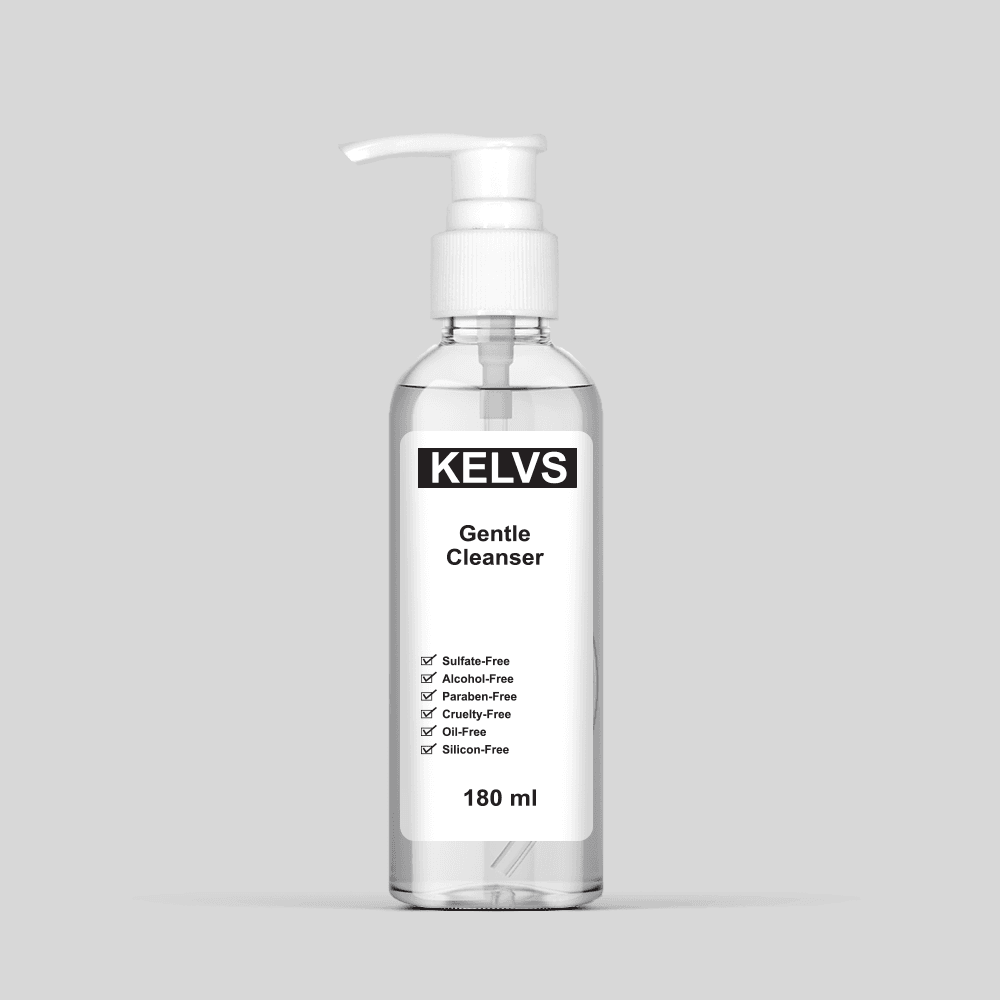
KELVS Gentle Cleanser | Sulfate-Free Daily Cleanse
Scientifically formulated for maximum efficacy with zero harsh irritants. Restores skin balance, clears pores, and accelerates visible recovery.