Lactic Acid vs Glycolic Acid: Which Is Better for Your Skin?
Waleed
21 Aug 2026
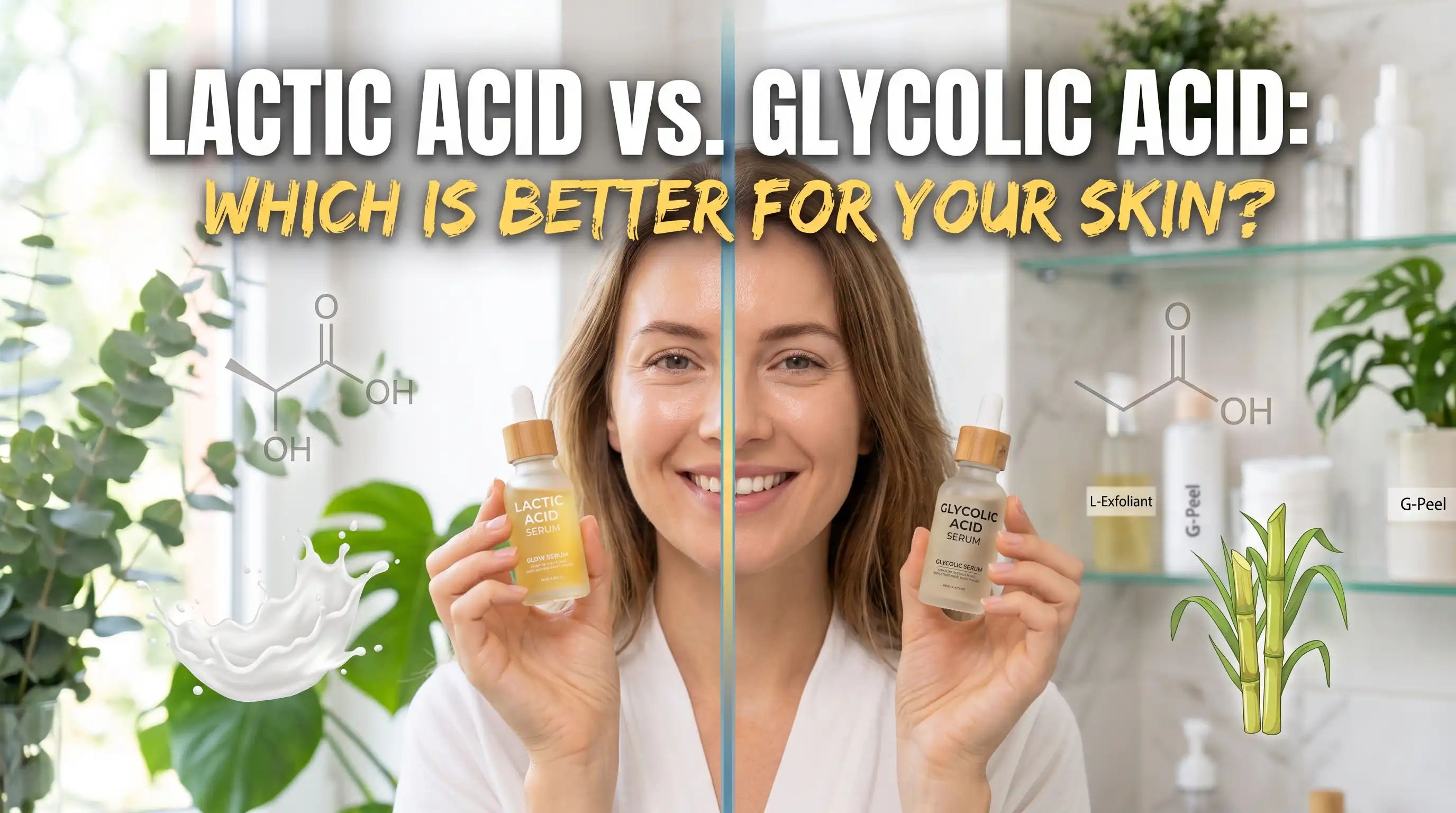
Lactic acid and glycolic acid are often marketed as interchangeable "AHA exfoliants," This guide breaks down exactly where they differ and, more usefully, when each one actually makes more sense than the other.
Buy Our Lactic Acid Serum
Introduction
Lactic acid and glycolic acid are consistently grouped together under the single label "AHA" — and in ingredient lists, marketing copy, and casual skincare advice, they are frequently treated as more or less interchangeable versions of the same thing. They are not. Both belong to the alpha hydroxy acid family and both exfoliate through a broadly similar mechanism, but a specific difference in molecular structure produces meaningfully different effects in practice: different exfoliation strength at equivalent concentrations, different irritation profiles, different suitability for dry versus oily skin, and different appropriateness for beginners versus experienced acid users.
Neither acid is universally "better." Each has a set of skin types and concerns it is more specifically suited to, and the more useful question is not which one wins in the abstract, but which one is the better match for your specific skin. This guide goes through the real differences point by point and ends with concrete guidance for when to choose each.
The Core Difference: Molecular Size
Almost every practical difference between these two acids traces back to one structural fact: glycolic acid has the smallest molecular size of any AHA used in skincare, while lactic acid's molecule is larger. Glycolic acid is a two-carbon molecule with no side chain; lactic acid is also a short-chain acid but carries an additional methyl group that increases its molecular weight relative to glycolic acid.
This size difference determines how readily each acid penetrates the stratum corneum. Glycolic acid's smaller size allows it to penetrate faster and more deeply at an equivalent concentration and pH. Lactic acid's larger size means slower, shallower penetration under the same conditions. This is not a flaw in lactic acid's design — it is the mechanical basis for essentially every meaningful difference in how the two acids behave on skin, from exfoliation strength to irritation risk to which skin types tolerate each one better.
Head-to-Head Comparison Table
| Category | Lactic Acid | Glycolic Acid |
|---|---|---|
| Molecular structure | Larger molecule (has an additional methyl group); slower, shallower skin penetration | Smallest AHA molecule; fastest, deepest skin penetration at equivalent concentration |
| Exfoliation strength (at equal % and pH) | More moderate — gentler, more gradual surface exfoliation | Stronger — more aggressive surface and slightly deeper exfoliation |
| Irritation potential | Lower at equivalent concentration; more forgiving of introduction mistakes | Higher at equivalent concentration; smaller margin for error in concentration/frequency |
| Sensitive skin | Generally the more appropriate choice; better tolerated as a first AHA | Higher risk of stinging, redness, and reactive episodes on reactive or barrier-compromised skin |
| Dry skin | Distinct advantage — lactic acid is a natural component of the skin's own moisture-retaining factor and adds humectant benefit alongside exfoliation | No comparable humectant property; can exacerbate dryness, particularly at higher concentrations |
| Pigmentation support | Contributes via exfoliation plus a modest, directly measured tyrosinase-inhibiting effect | Contributes primarily via exfoliation and faster cell turnover; no comparable direct tyrosinase effect documented |
| Texture improvement | Effective, gradual; particularly well-evidenced for keratosis pilaris and rough, dry-adjacent texture | Effective, often faster-appearing due to deeper penetration; well suited to congested, thicker-textured skin |
| Anti-aging / collagen effects | Documented collagen and elastin stimulation with sustained use; effect builds over months | Similarly documented; deeper penetration may produce a somewhat more pronounced dermal effect over equivalent time, at the cost of higher irritation risk along the way |
| Acne-prone / oily skin | Useful but more moderate; gentler action may under-address more resilient, oilier, thicker-textured skin | Often preferred for oily, acne-prone skin due to stronger exfoliation and better penetration through oilier, thicker stratum corneum |
| Body care (KP, rough patches, elbows/knees) | Well-established, specifically evidenced use — ammonium lactate is a recognised dermatological treatment for very dry, rough body skin | Effective but less specifically associated with the dry-skin-texture use case; more commonly used on body skin primarily for exfoliation rather than combined hydration |
Where Lactic Acid Has a Genuine Advantage
Lactic acid's larger molecule and slower penetration are not simply "weaker" in a way that makes it a lesser option — for specific skin types, this profile is exactly what is needed. Its most distinctive and well-supported advantage is hydration: because it is chemically a natural constituent of the skin's own natural moisturising factor, it measurably contributes to water retention in the stratum corneum independent of its exfoliating action. No comparable mechanism exists for glycolic acid. This makes lactic acid the more appropriate AHA for dry, dehydrated, or barrier-compromised skin — exfoliating the rough, flaking surface while simultaneously supporting the moisture retention that dry skin struggles with.
The gentler, more gradual penetration also gives lactic acid a real advantage for sensitive skin and for anyone introducing chemical exfoliation for the first time. It offers a wider margin for error: a slightly too-frequent application or a slightly too-high concentration is more likely to be forgiven by skin using lactic acid than the same mistake made with glycolic acid, where the faster, deeper penetration leaves less room for error before irritation appears.
Where Glycolic Acid Has a Genuine Advantage
Glycolic acid's smaller molecular size and faster penetration produce a stronger exfoliating effect at an equivalent concentration and pH — which is a genuine advantage for skin types where a more assertive intervention is appropriate. Oily and acne-prone skin, which tends to have a thicker, more resilient stratum corneum and more surface congestion, often responds more visibly and more quickly to glycolic acid than to lactic acid at comparable strengths.
For textural concerns that are more established or resistant — thicker, more congested skin, more pronounced roughness, or situations where a user has already built tolerance to lactic acid and is looking for a next step — glycolic acid's deeper penetration can produce more noticeable results within a similar timeframe. Its documented collagen-stimulating effects also tend to be somewhat more pronounced at equivalent use durations, precisely because of its deeper dermal reach, though this comes with the tradeoff of a narrower safety margin and higher photosensitisation and irritation risk along the way.
When to Choose Lactic Acid
- Your skin is dry, dehydrated, or prone to flaking, and you want exfoliation without worsening dryness
- You are sensitive, reactive, or have a history of irritation from other actives
- You are introducing chemical exfoliation for the first time and want a gentler entry point
- You are managing keratosis pilaris or rough, dry-textured patches on the body
- You are recovering from barrier damage and want the gentlest available AHA once your skin is stable enough to reintroduce one
- Your primary goal includes some support for pigmentation alongside exfoliation, given lactic acid's modest additional tyrosinase-inhibiting effect
When to Choose Glycolic Acid
- Your skin is oily, thicker-textured, or more resilient, and tolerates active ingredients well
- You have already built tolerance to a gentler AHA and are looking for a stronger next step
- Your primary concern is more resistant surface congestion or textural unevenness that has not responded well to lactic acid
- You are prioritising faster or more pronounced results and are prepared to manage the narrower margin for irritation and stricter sun protection that comes with it
- You do not have significant dryness or barrier sensitivity as a concurrent concern
What They Have in Common
Regardless of which is chosen, several requirements apply equally to both. Both increase UV sensitivity and require daily mineral sunscreen without exception. Both should be introduced gradually — starting at low frequency and lower concentration regardless of skin type — rather than at full strength from the first use. Both are more effective and safer when pH is appropriately low (generally under pH 4) and should not be combined carelessly with other actives such as retinoids or vitamin C in the same routine step. And for both, results — in texture, pigmentation, and collagen-related effects — accumulate over weeks to months rather than appearing after a single use.
Conclusion
Neither lactic acid nor glycolic acid is the objectively superior AHA — they are different tools calibrated for different jobs. Lactic acid's larger molecule, gentler penetration, and unique humectant property make it the better-suited choice for dry, sensitive, and beginner skin. Glycolic acid's smaller molecule and deeper penetration make it the more effective choice for oilier, more resilient skin seeking a stronger exfoliating and textural effect, provided the stricter sun protection and lower margin for irritation are respected. The right answer depends on what your skin actually needs — not on which acid has the stronger reputation.
 Official
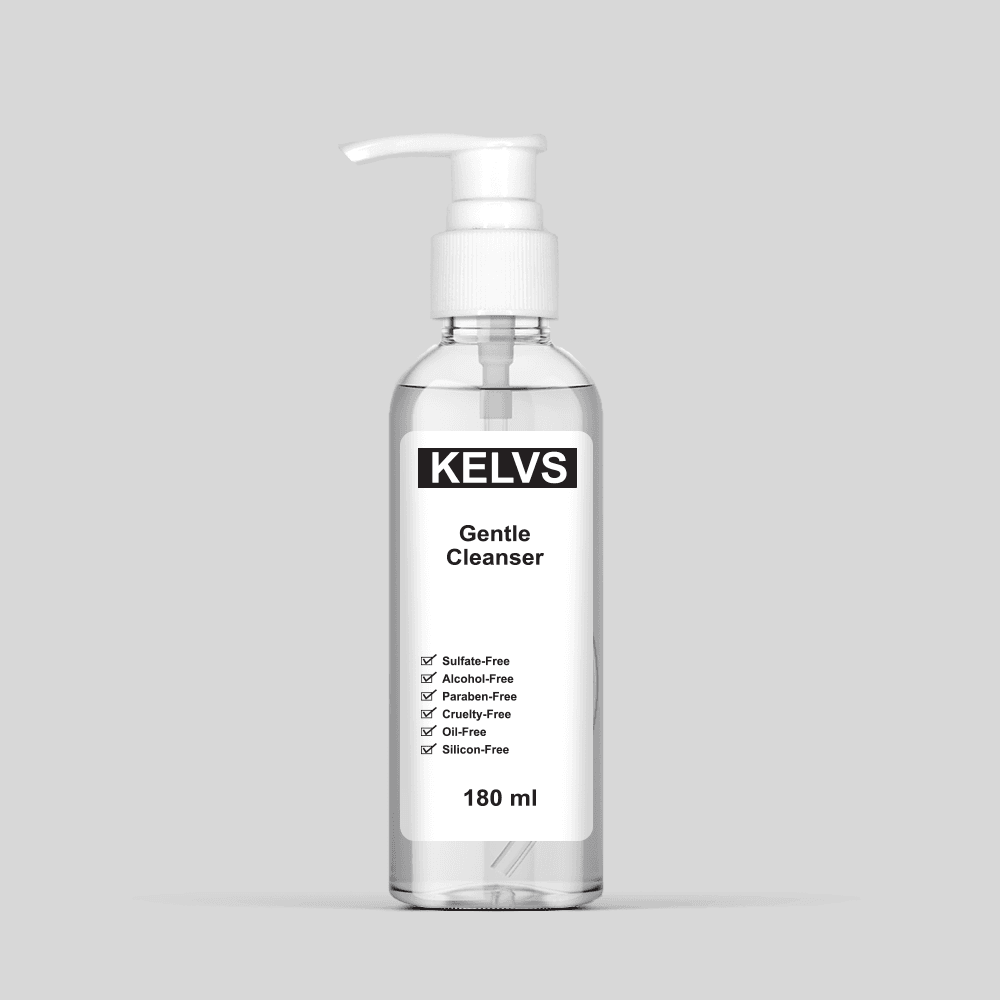
KELVS Gentle Cleanser | Sulfate-Free Daily Cleanse
Scientifically formulated for maximum efficacy with zero harsh irritants. Restores skin balance, clears pores, and accelerates visible recovery.