Side Effects of Formula Creams on Face – Pakistan Skincare Guide
Waleed
05 Mar 2026
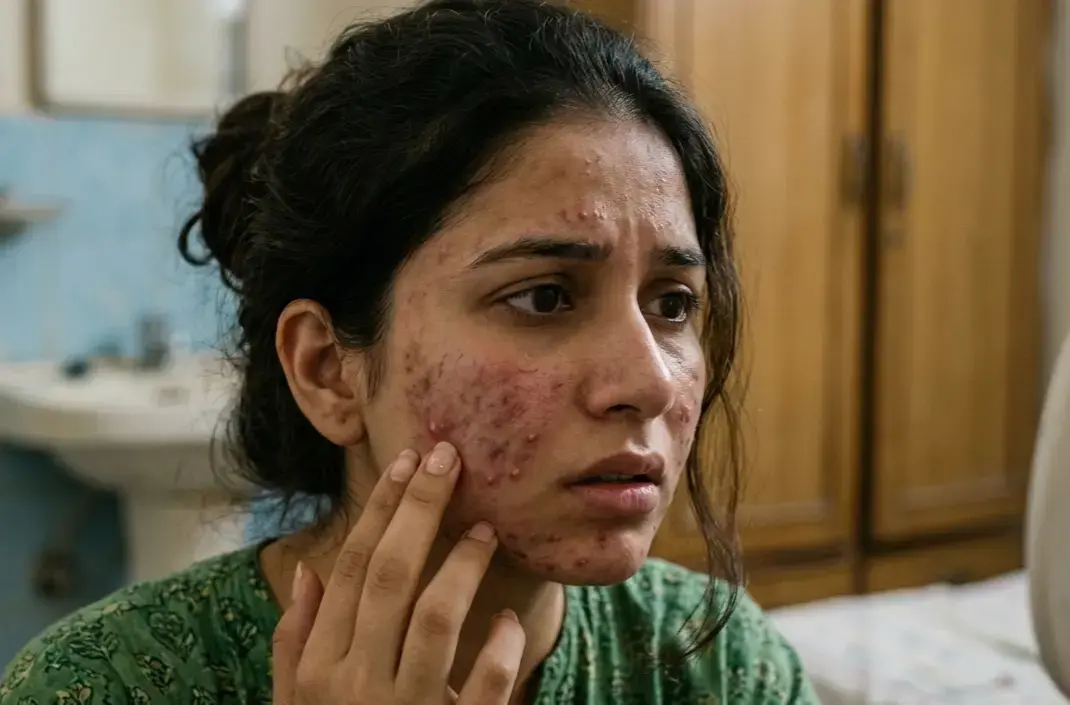
Formula creams give fast brightness but carry a heavy cost. Unregulated steroids, mercury, and hydroquinone strip the skin barrier, causing severe redness, thinning, and acne. To recover, drop them completely and heal with a gentle, hydrating routine.
Walk into any general store, pharmacy, or beauty salon across Pakistan — from Karachi's Defence to Lahore's Liberty Market to the bazaars of Peshawar — and you'll find formula creams displayed prominently on the shelf. They come in familiar packaging, cost very little, and promise smooth, fair, "glowing" skin within days. For millions of Pakistanis, they're simply part of the daily routine.
But here's what those labels don't tell you: many formula creams contain a cocktail of unregulated steroids, bleaching agents, and heavy metals that can cause significant, lasting damage to your skin — especially with prolonged use. And by the time most users notice something is wrong, the damage has already taken hold.
This guide is written with care — not to shame anyone for their skincare choices, but to ensure you have the information your skin deserves. We'll walk through exactly what's in these creams, what they do to your face, and how to safely begin healing.
What Are Formula Creams — And What's in Them?
In Pakistan, "formula cream" is an umbrella term for a category of locally produced or informally compounded skin creams — often mixed by chemists or sold under informal brand names. They typically promise fairness, dark spot reduction, and smooth texture. Some are prepared in compounding pharmacies with no standardised formulation; others are mass-produced with ingredients that would fail regulatory review in most countries.
Dermatologists across Pakistan have consistently raised alarms about what's actually inside many of these products. Common harmful ingredients include:
| Ingredient | What It Does | Why It's Harmful |
|---|---|---|
| Topical Steroids (e.g., betamethasone, clobetasol) | Temporarily suppresses inflammation, creates "glowing" appearance | Thins skin, disrupts barrier, causes steroid dependence and withdrawal |
| Mercury Compounds | Inhibits melanin to lighten skin tone | Toxic to skin cells, kidneys, and nervous system; banned internationally |
| Hydroquinone (unregulated %) | Depigmentation agent | Can cause ochronosis (paradoxical darkening), irritation, barrier damage |
| Undisclosed Bleaching Agents | Rapid surface lightening | Chemical burns, hypersensitivity, long-term photosensitivity |
| Synthetic Fragrances | Scent masking of chemical odours | Common allergen; triggers contact dermatitis and reactive skin |
| Heavy Mineral Oils / Paraffin | Skin softening, occlusion | Clogs pores, worsens acne-prone skin, traps bacteria |
Because many formula creams are not required to list ingredients in plain language — or are compounded informally — consumers often have no way of knowing what they're applying to their faces daily.
Side Effects of Formula Creams on the Face
The damage caused by formula creams rarely happens overnight. It builds gradually, which is why many users continue using them long after the harm has begun. Here are the most significant and documented side effects:
1. Skin Barrier Breakdown
The skin barrier — your outermost protective layer — depends on a delicate balance of lipids and healthy skin cells. Steroids and bleaching agents in formula creams strip this layer repeatedly until it can no longer repair itself. The result is chronically reactive, thin, and sensitised skin that struggles to tolerate even the gentlest products.
According to the American Academy of Dermatology, a compromised skin barrier is one of the primary drivers of long-term skin sensitivity, dryness, and inflammatory conditions — all of which can be triggered or worsened by topical steroid misuse.
2. Steroid-Induced Acne (Acneiform Eruptions)
One of the cruelest ironies of formula cream use is that products marketed for smooth, clear skin can cause the very breakouts users are trying to prevent. Topical steroids alter the skin's microbiome and oil gland activity, producing a specific pattern of acne called acneiform eruptions — often presenting as clusters of uniform red papules or pustules, particularly around the mouth, chin, and cheeks.
This type of acne does not respond to standard acne treatments and typically worsens when steroid use continues. The only effective treatment is discontinuing the steroid cream and allowing the skin to rebalance — a process that takes weeks to months.
3. Chronic Redness and Flushing
Long-term topical steroid use causes dilation of facial blood vessels — a condition called steroid-induced rosacea or perioral dermatitis. Skin appears persistently red, hot, or flushed, especially around the nose and cheeks. This redness intensifies when the cream is stopped, making users feel they "need" the cream to keep it under control — a hallmark of steroid dependency.
4. Skin Thinning (Skin Atrophy)
With prolonged steroid exposure, the skin literally thins — collagen breaks down and the dermis loses structural integrity. Thin skin appears shiny, feels fragile, bruises easily, and may show visible broken capillaries or stretch marks even on the face. In severe cases, wounds heal more slowly and the skin loses its natural ability to protect against infection.
5. Rebound Hyperpigmentation (Darkening After Stopping)
Perhaps the most distressing side effect for Pakistani users — skin that was artificially lightened by formula creams often becomes significantly darker after discontinuation, sometimes darker than the user's original skin tone. This rebound effect is caused by the suppression of normal melanin activity being suddenly released when the steroid is withdrawn. It can take months to resolve with proper care and sun protection.
6. Mercury Toxicity
For creams containing mercury, the risks extend beyond the skin. Mercury is absorbed transdermally (through the skin) and accumulates in the body over time, potentially causing kidney damage, neurological symptoms, and systemic toxicity. The WHO and international health bodies have flagged mercury-containing skin lightening creams as a significant public health concern in South Asia and beyond.
7. Contact Dermatitis and Allergic Reactions
Synthetic fragrances and preservatives in formula creams are among the most common contact allergens in skincare. Reactions range from mild itching and scaling to severe allergic contact dermatitis — with blistering, oozing, and intense swelling. The face is particularly vulnerable because the skin is thinner and more vascular than the rest of the body.
Why Pakistan's Climate Makes Formula Cream Damage Worse
Pakistan's diverse and often extreme climate creates a uniquely challenging environment for damaged skin:
- Intense UV Radiation: Pakistan's UV index regularly reaches 10–12+ in summer months. Formula creams that thin the skin or cause photosensitivity dramatically increase UV-related damage, accelerating pigmentation, inflammation, and long-term ageing.
- Humidity and Heat: In cities like Karachi, Multan, and Hyderabad, high humidity encourages the growth of skin bacteria and fungi. Barrier-damaged skin is far more susceptible to secondary infections.
- Dust and Pollution: Urban pollution in Lahore, Karachi, and Peshawar deposits fine particles on compromised skin, triggering inflammation that a healthy barrier would normally filter out.
- Hard Water: Many Pakistani households have access to hard, mineral-rich water that disrupts skin pH — a problem that becomes significantly worse when the skin barrier is already compromised by formula cream damage.
How to Safely Stop Using Formula Creams and Protect Your Skin
Recovery begins with one clear decision: stop using the cream. But doing so safely and supporting your skin through the transition requires a deliberate, gentle approach.
Step 1: Cleanse Without Further Damage
Your first priority is removing the cream residue and daily impurities without stripping your already-vulnerable skin. This means ditching harsh soap bars, foaming sulfate cleansers, and scrubbing routines entirely.
→ Learn more: Gentle Face Cleanser for Sensitive Skin in Pakistan – Complete Buying Guide
Step 2: Moisturise to Rebuild the Barrier
Immediately after cleansing, apply a ceramide-rich, fragrance-free moisturiser. Ceramides are the lipids your skin needs to rebuild its protective structure. Look for formulas that also include panthenol (provitamin B5) and allantoin — both proven to support repair in sensitised skin. Apply while skin is still slightly damp to maximise absorption.
Step 3: Sun Protection — Every Single Day
Given Pakistan's UV intensity, sunscreen is non-negotiable — but the type matters when your skin is damaged. Choose a mineral (physical) sunscreen with zinc oxide or titanium dioxide at SPF 30 or above. These sit on top of the skin without penetrating it, making them far less irritating than chemical UV filters like oxybenzone or avobenzone for reactive skin.
Step 4: Pause All Active Ingredients
Vitamin C serums, retinol, exfoliating acids, and even niacinamide above 5% should be paused for at least 4–6 weeks. Let your skin do nothing but rest, cleanse, moisturise, and protect. Less is genuinely more during this phase.
What to Expect During Recovery
Recovery is rarely linear, and it's important to be mentally prepared for the process. In the first 1–2 weeks after stopping formula creams, many users experience a temporary flare of redness, dryness, or breakouts. This is your skin recalibrating — not a sign that something is wrong or that you need to go back to the cream.
The AAD's guidance on restoring a damaged skin barrier confirms that the most effective recovery strategy is consistent gentle care over time — not aggressive intervention with multiple new products. Stay the course.
General recovery timelines:
- 2–4 weeks: Reduced stinging and burning; skin begins to tolerate gentle products
- 4–8 weeks: Visible reduction in redness and reactive episodes
- 3–6 months: Significant texture improvement, stabilisation of skin tone
- 6–12 months (severe steroid damage): Full barrier recovery — professional guidance is strongly recommended
Frequently Asked Questions
Q1: Are all formula creams in Pakistan harmful?
Not all formula creams are dangerous, but the problem is that consumers have no reliable way to know which ones are safe without third-party lab testing. Many are compounded informally or produced without regulatory oversight, meaning ingredients are often undisclosed. Until Pakistan's cosmetic regulation framework is more robust, the safest approach is to avoid informally compounded creams and choose products with fully transparent, internationally vetted ingredient lists.
Q2: Can I use a formula cream just once a week to reduce the side effects?
Unfortunately, no. Even infrequent use of steroid or mercury-containing creams can maintain dependency and prevent the skin from properly recovering. Partial use prolongs the damage cycle and makes recovery more difficult. The only way to begin genuine healing is complete cessation.
Q3: My face is getting darker and more red since I stopped. Should I restart?
This rebound reaction is extremely common and very distressing — but it is temporary. What you're experiencing is your skin's inflammatory response re-activating after being suppressed by steroids. Restarting the cream will only deepen and prolong this cycle. Stay the course with a gentle routine, prioritise sun protection, and consult a dermatologist if symptoms are severe.
Q4: What's a safe alternative to formula creams for skin brightening?
Once your skin has fully recovered (typically after 4–6 weeks of a stable gentle routine), safe brightening ingredients include: low-concentration niacinamide (2–5%), vitamin C in stable forms like ascorbyl glucoside, and azelaic acid — all used under dermatological guidance. Long-term, consistent sunscreen use is also the single most evidence-backed strategy for an even, healthy skin tone.
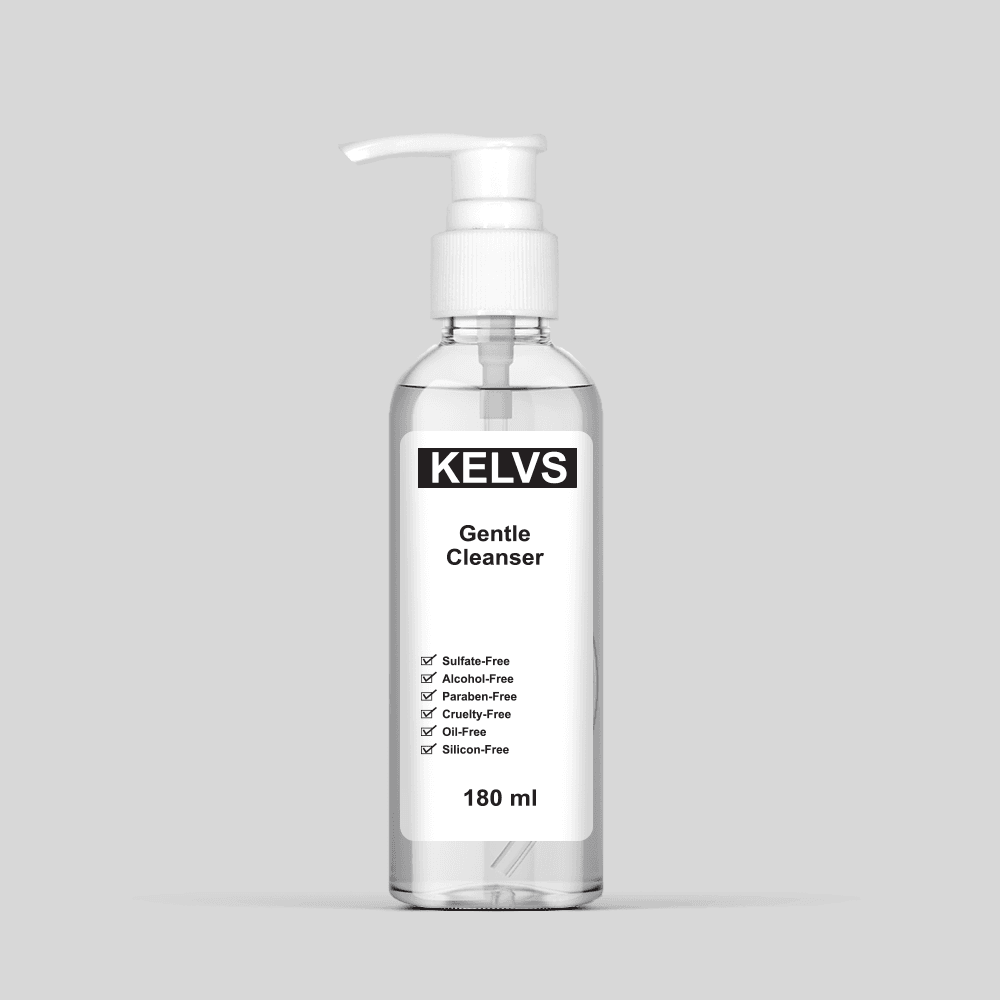
Q5: Is KELVS Gentle Cleanser suitable for skin damaged by formula creams?
Yes — KELVS Gentle Cleanser is specifically formulated for skin that is sensitised, reactive, or barrier-compromised. Free from sulfates, synthetic fragrances, and known irritants, it provides effective cleansing without disrupting the skin's natural lipid layer. It's an ideal first step in any formula cream recovery routine and suitable for daily use across all skin types.
Q6: How do I know if a cream contains steroids or mercury without a lab test?
It's very difficult without lab testing, but there are warning signs: creams that produce dramatic results very quickly (within days), a noticeable metallic or chemical smell, no ingredient list on packaging, and products sold in unmarked or loosely labelled containers are all red flags. If in doubt, the Pakistan Drug Regulatory Authority (DRAP) maintains alerts on banned substances — and a dermatologist can help identify steroid-dependent skin patterns during a consultation.
A Word of Encouragement
The fact that you're reading this — seeking understanding about what your skin is going through — is already the most important step. Skin heals. With patience, consistency, and the right gentle products, even severely damaged skin can recover its strength, tone, and resilience.
You deserve a skincare routine that works with your skin — not against it. Start simple. Start gentle. Start today.
Disclaimer: This blog post is intended for educational purposes only and does not constitute medical advice. If you are experiencing severe skin reactions, signs of systemic toxicity, or symptoms that do not improve with gentle care, please consult a qualified dermatologist or physician promptly.
 Official
KELVS Gentle Cleanser | Sulfate-Free Daily Cleanse
Scientifically formulated for maximum efficacy with zero harsh irritants. Restores skin balance, clears pores, and accelerates visible recovery.